Simple tools, reliable information and realistic strategies for adults living with ADHD, whether diagnosed, waiting for assessment or supporting someone else.
Pick the problem in front of you. These private browser tools are designed to reduce the number of decisions between stuck and started.
Task paralysis
Unstick Me
Describe the thing you are avoiding. The tool turns it into one deliberately small starting move.
Your first move will appear here.
Overwhelm
Overwhelm Sorter
Get everything out of your head, then choose only what needs attention now.
Nothing to solve yet. Dump it first.
Time blindness
Reality-check the time
Compare your first guess with a more forgiving plan that includes setup and transition time.
Use this as planning help, not a promise about how long something “should” take.
Focus
Body-double session
Choose one visible target, run a short focus block, then decide whether to continue. No account and no camera.
20:00
Stay with the one target until the timer ends.
Work & study
Adjustments Builder
Choose changes that might reduce barriers, then copy a neutral request to discuss with work, college or university.
Select the barriers you want to discuss.
Money & admin
Admin Rescue
Do not fix your whole life. Separate what could cost money, what needs a reply, and what can wait.
Money / deadline
Needs a reply
Can wait
Just diagnosed: what now?
You do not need to redesign your life in a week. Clarify the follow-up plan, what support is being offered, who to contact, and what happens if medication is being considered. Keep practical supports running alongside clinical care.
Medication review prep
Before a review, note what has changed in day-to-day functioning, possible side effects, how long benefits seem to last, sleep/appetite concerns and questions. Do not change dose or timing on the basis of this site.
GP will not accept shared care
Shared care is not automatic. Ask the ADHD specialist who remains responsible for prescribing, monitoring and annual review, and what the next step is in your particular pathway. Do not stop prescribed medicine because an administrative arrangement is unclear.
Explain the problem, not the excuse
For relationship friction, describe the specific pattern, its effect, and the support or system you want to try. ADHD can explain a difficulty without removing responsibility for repair, boundaries or the other person's needs.
Still waiting for assessment?
Keep your contact details current, save referral information, record meaningful changes and ask the referring service who to contact about the wait. Practical support does not have to wait for a diagnosis.
Healthcare adjustments
If a disability creates a substantial, long-term barrier, reasonable adjustments can include communication changes, more time or a quieter waiting environment. Ask the service what can be recorded for future appointments.
Tool library
Open one tool. Ignore the rest.
Choose a category or search by name. Your entries continue to stay privately in this browser.
No matching tools. Try a shorter word or choose another category.
Guide library
Find the subject you need.
The full learning centre is still here, organised into categories instead of displayed as one enormous page.
No matching guides. Try a shorter word or choose another category.
Understanding ADHD
A neurodevelopmental condition, experienced differently by different people.
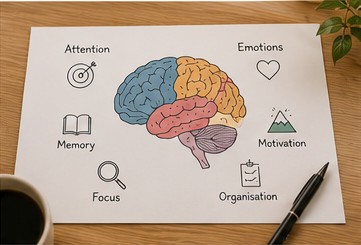
ADHD can affect attention, impulsivity, activity levels, emotions, organisation and everyday functioning. The pattern and impact vary from person to person and across situations.
A diagnosis must be made by an appropriately qualified professional.
Difficulty concentrating can have many causes, including stress, poor sleep, anxiety, depression and physical-health issues.
This website does not diagnose, screen or tell anyone whether they have ADHD.
Support can include practical adjustments, psychological approaches, lifestyle support and, for some people, prescribed medication.
Waiting for assessment? You can still use practical organisational strategies and discuss difficulties with your GP or another qualified professional.
Learning centre
Understand ADHD without turning every trait into a diagnosis.
Clear, evidence-aware explanations for adults exploring ADHD, waiting for assessment, recently diagnosed, or supporting someone else.
Foundations
Understanding ADHD
ADHD is a neurodevelopmental condition associated with ongoing patterns of inattention and/or hyperactivity-impulsivity that cause meaningful difficulty across areas of life. It is not simply poor discipline, low intelligence or a lack of effort.
How it can appear in adults
Examples can include time blindness, inconsistent focus, losing track of tasks, impulsive decisions, restlessness, emotional overwhelm and difficulty starting or switching activities. These experiences also occur for other reasons, so assessment matters.
Strengths and differences
Some people report creativity, rapid idea generation, energy, curiosity, humour or intense interest. Strengths do not cancel impairment, and impairment does not erase strengths.
Core skill
Executive function explained
Executive functions help us direct attention, hold information in mind, organise actions, estimate time, regulate responses and move from intention to action.
Why “just do it” often fails
The barrier may be task initiation, unclear steps, low immediate reward, overwhelm or working-memory load rather than unwillingness.
Useful response
Reduce the starting step, make the next action visible, add a cue, lower friction and use external supports instead of relying on memory alone.
Assessment
The diagnosis journey
A proper assessment usually considers symptoms, development, daily impairment, other health or mental-health explanations and information from more than one part of life.
Before an appointment
Write down specific examples from childhood and adulthood, how they affect work, study, relationships, money, driving, home life or wellbeing, and any relevant medical history.
While waiting
You do not need a diagnosis to use low-risk organisational strategies, ask for reasonable workplace conversations, improve sleep routines or seek help for anxiety, low mood or burnout.
Reality check
ADHD myths vs facts
MythADHD is only a childhood condition.
FactFor some people, clinically significant symptoms continue into adulthood.
MythEveryone is “a bit ADHD.”
FactMany traits are common, but diagnosis depends on persistent patterns and meaningful impairment.
MythMedication is the only useful support.
FactSupport may include education, environmental changes, skills, therapy or coaching, and medication where clinically appropriate.
Common questions
Frequently asked questions
Can this site tell me whether I have ADHD?
No. It can help you organise examples and learn useful concepts, but only an appropriately qualified professional can assess or diagnose you.
Can ADHD begin suddenly in adulthood?
Diagnostic assessment looks for a developmental pattern. Sudden new concentration problems should be discussed with a healthcare professional because sleep, stress, medication, physical illness and other conditions can contribute.
Do strategies still count if I need them every day?
Yes. Glasses are useful because they are repeatedly used. External reminders, visual systems and routines can be legitimate supports rather than personal failures.
Plain English
Quick glossary
Executive functionMental processes used to plan, organise, regulate and act.
Working memoryHolding and using information briefly while doing something.
Time blindnessDifficulty sensing, estimating or tracking passing time.
HyperfocusVery intense attention that can make switching difficult.
MaskingHiding or compensating for difficulties to meet expectations.
Body doublingDoing a task while another person is present or connected.
Practical browser tools
Clear your head and make the next step visible.
Everything below stays in this browser using local storage. Nothing is uploaded or shared.
Autosave is on
My Make ADHD Easy Plan
Generated from the information saved in this browser.
Brain Dump
Get thoughts and tasks out of your head without organising them first.
Three-Task Day
One priority, one useful task and one bonus.
Focus Timer
Choose a manageable block. Stop when the timer ends or earlier if needed.
25:00
Task Breakdown
Turn a large task into a visible first action.
Daily Anchors
Gentle prompts, not a scorecard.
“Medication checked” is only a reminder to follow your prescribed plan. This site does not provide dosing or treatment advice.
Weekly Review
Review the system, not your worth.
Now, Next, Later
Sort competing demands without making a giant priority list.
Minimum Viable Day
Choose a kind, realistic baseline for a difficult day.
This is a planning aid, not medical advice or a measure of personal worth.
Priority matrix
Sort tasks by urgency and importance. Keep entries brief and action-based.
Routine builder
Build a short repeatable sequence. Start with a cue and keep the routine realistic.
Practical guides
Systems designed for real days, not perfect ones.
Use the smallest version that helps. A good support should reduce effort, shame or decision load.
Work & study
Reasonable adjustments and study support
Identify the exact barrier: noise, interruptions, memory, deadlines, task switching or unclear instructions.
Ask for a practical change such as written instructions, quieter space, regular check-ins, assistive software, recorded teaching or structured deadlines.
Describe the functional benefit rather than oversharing medical details.
Review what works and keep a written record of agreed support.
UK note: Legal rights depend on circumstances. For formal advice, use ACAS, Citizens Advice, your education provider or an appropriate adviser.
Home
Organisation that stays visible
Store items where they are actually used, not where they “should” live.
Use open, clear or labelled storage for frequently forgotten items.
Create one landing zone for keys, wallet, post and chargers.
Reset one surface for five minutes rather than attempting the whole room.
Relationships
Communication without blame
Discuss patterns when neither person is already overwhelmed.
Use specific observations: “The bill was missed twice,” rather than character judgments.
Agree on an external system both people can see.
Separate accountability from shame: repair the impact, then improve the system.
Sleep & routines
Make winding down easier to begin
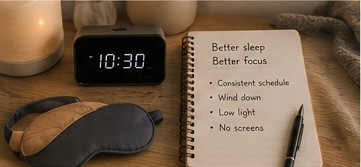
Choose a “start getting ready” alarm, not only a bedtime alarm.
Reduce stimulating choices near bedtime and prepare tomorrow’s essentials earlier.
Keep wake time reasonably consistent where possible.
Seek medical advice for persistent insomnia, severe daytime sleepiness, snoring or suspected sleep problems.
Emotions & burnout
Regulate first, solve second
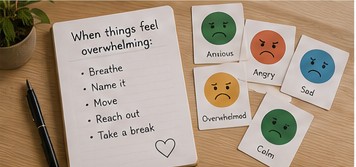
Pause before replying when your body is in high alert.
Name the immediate need: food, water, movement, quiet, reassurance, time or clearer information.
Reduce demands temporarily, then return to one concrete next step.
Get professional support when distress is persistent, unsafe or significantly affecting life.
Nutrition
Evidence-aware everyday nutrition
Regular meals, hydration and a generally balanced diet can support overall health and steady energy. No food or supplement has been shown to replace appropriate ADHD assessment or treatment.
Make easy food visible and convenient.
Pair carbohydrates with protein or other filling foods when practical.
Be cautious with high-dose supplements and claims to cure ADHD.
Ask a pharmacist or clinician about interactions, deficiencies or restrictive diets.
Everyday strategies
Build around how life actually works.
Useful systems are visible, forgiving and easy to restart.
Work & Study
Ask for written follow-ups and visible deadlines.
Break projects into actions that can be started in one sitting.
Keep short meeting notes with owners and next steps.
Use focus blocks and reduce avoidable distractions.
Explore reasonable adjustments where appropriate.
Avoid shame-based productivity systems.
Home & Organisation
Use visible storage and clear labels.
Create landing places for keys and paperwork.
Simplify routines and reduce unnecessary steps.
Keep duplicate essentials where genuinely useful.
Use low-friction meal and cleaning plans.
Make the easiest action the helpful one.
Trackers & Habits
Track only what helps you make a decision.
Use “minimum versions” for difficult days.
Make restarting part of the plan.
Review patterns weekly rather than judging each day.
Emotions & wellbeing
Support the person, not just the task list.
Overwhelm, frustration, sleep difficulty and burnout can make daily demands harder. Professional support is appropriate when difficulties are persistent, severe or affecting safety.
Overwhelm & Emotions
Pause, name what is happening, reduce the immediate demand and choose one next action. Rejection sensitivity is a commonly discussed experience, but it is not a standalone formal diagnosis.
Sleep & Energy
Consistent wake times, lower evening stimulation and realistic wind-down routines may help. Persistent sleep problems should be discussed with a healthcare professional.
Relationships
Use clear requests, written agreements and calm repair after misunderstandings. Shared understanding should not remove anyone’s boundaries or needs.
Support & community
You do not have to work everything out alone.
Useful support can come from qualified professionals, trusted people, peer communities and practical workplace or education adjustments.
Check the qualifications, scope and safeguarding approach of any coach or practitioner.
Be cautious of anyone promising a cure, guaranteed transformation or a replacement for clinical care.
Peer support can reduce isolation, but another person’s treatment experience is not medical advice.
For assessment, medication or significant mental-health concerns, use appropriately qualified healthcare professionals.
Good support respects autonomy. It should help you understand choices and reduce friction without blame, pressure or exaggerated claims.
Nutrition & supplements
No food or supplement cures ADHD.
Regular meals, hydration and balanced nutrition can support general health, but they do not replace assessment or evidence-based care.
Supplements can interact with medicines or be unsuitable for some health conditions.
Always discuss supplements with a healthcare professional or pharmacist, particularly if you take prescribed medication.
Stimulant and non-stimulant medication decisions belong with a specialist or prescriber.
Do not start, stop or alter prescribed medication based on this website.
Helpful products
Practical aids, not treatments.
These categories are prepared for future product links. No product is presented as treating or curing ADHD.
Planning
Planners & notebooks
Simple layouts with enough space to think.
Time
Visual timers
Make passing time easier to see.
Home
Labels & storage
Reduce searching and hidden clutter.
Focus
Noise-reducing headphones
Useful for some people in busy environments.
Workspace
Whiteboards
Keep deadlines and next actions visible.
Workspace
Desk organisers
Create clear homes for everyday items.
Sensory
Sensory tools
Comfort or focus aids, not medical devices.
Learning
Books
Prefer qualified, evidence-informed authors.
Assessment, waiting & care
Know what happens next — and arrive prepared.
ADHD support can involve a referral, a long wait, assessment, a result and sometimes another wait for treatment. These guides help you organise the practical side without trying to diagnose you.
Confirm that your referral has been accepted and keep the service's contact details. Waiting times vary considerably. If your difficulties or mental health worsen, do not wait for the ADHD appointment to ask your GP or another appropriate service for help.
Useful now: note examples from work, education, home and relationships; keep relevant letters; and ask the service what it wants you to prepare.
Prepare
What should I take?
Your service may send questionnaires. Some services also find childhood information, school reports and input from someone who knows you well useful. Follow the instructions from your own provider — requirements differ.
Write down the problems that affect you most, when you remember them, rather than trying to reconstruct everything in the appointment.
Assessment
What will they talk about?
An adult ADHD assessment typically explores your symptoms and their history, including childhood, plus their effect on education, work, relationships and everyday life. The clinician also considers medical and mental-health history and other possible explanations.
It is not a test you need to “pass”. Give examples that reflect your ordinary life, including things you have learned to compensate for.
Afterwards
What happens after assessment?
If ADHD is diagnosed, the specialist should discuss what the diagnosis means and possible support. If it is not diagnosed, ask what explains the difficulties identified, what support is still available and whether the report contains useful recommendations.
Keep a copy of your assessment report if one is provided.
Treatment
Medication, titration & reviews
Medication is not right or wanted by everyone. When used, ADHD medicines should be started and monitored by an appropriate specialist. Titration is the process of finding a suitable medicine and dose while monitoring response and health measures.
For reviews, record benefits, unwanted effects and questions. Do not change or stop prescribed medication based on this website.
Work & appointments
Ask for useful adjustments
Depending on your circumstances, useful changes can include written instructions, a quieter workspace or waiting area, help structuring tasks, or extra time to process information. Ask for the barrier to be addressed rather than feeling you need to invent a perfect solution.
Private browser tool
ADHD Appointment Prep
Build a short note to take with you. It stays on this device unless you copy or print it.
Your appointment note will appear here.
England note: NHS information says ADHD assessment waits can be long and that patient choice may sometimes provide another NHS-funded provider. Eligibility and pathways vary, so check the current NHS guidance and discuss your individual referral with your GP.
Trusted resources
Start with official, evidence-based information.
External organisations are listed for information only. Inclusion does not imply partnership or endorsement.
Urgent needs: This site does not provide crisis counselling. Use official emergency or urgent mental-health services in your country. In the UK, call 999 in an emergency or use NHS urgent mental-health guidance.
V1.5 browser tools
Plan around your time, energy and real life.
Everything below runs in this browser and saves locally. These are organisational tools, not medical devices, treatment advice or medication reminders.
Searches headings and guide text on this page.
Daily Planner — time blocking
Give the day a loose shape. Leave breathing room between blocks.
Time
Plan
Done
Weekly Planner
Keep only the most useful commitments visible.
Body Doubling Session
Choose a task, set an intention and work alongside a quiet timer.
25:00
Cleaning Sprint Timer
Stop when the timer ends. A partial reset still counts.
10:00
Energy (“Spoon”) Tracker
A simple personal check-in. It does not measure health or diagnose fatigue.
Medication & Refill Tracker
Tracking only. Follow the label and your prescriber’s advice. This tool does not send reminders or give dosing guidance.
Appointment & Assessment Tracker
Keep questions, documents and next actions together.
Meal Planner
Plan simple defaults; repetition is allowed.
Shopping Checklist
Add items as they occur to you. Check them off in the shop.
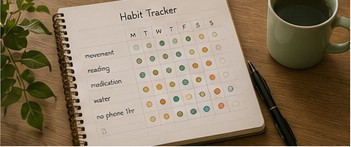
Habit Streak Calendar
Use this gently. Missing a day does not erase progress.
0 of 28 marked
Decision Helper
Externalise the choice, including what matters most.
Expanded practical guides
Real-world systems for work, home, relationships and wellbeing.
These suggestions are flexible starting points. Adapt them to your needs, circumstances and professional advice.
Work
ADHD at Work
Reduce reliance on working memory: clarify priorities in writing, split large tasks into visible next actions, use short focus blocks and schedule recovery after demanding meetings.
Ask for written instructions or follow-up notes.
Use one capture place for tasks.
Discuss reasonable adjustments through the appropriate workplace process.
Translate deadlines into smaller dated steps. Study beside another person, use active recall, and contact disability or learning-support services early.
Make money visible without shame. Automate essential bills where suitable, use a short weekly money check-in and add a cooling-off step before non-essential purchases.
Keep essential, flexible and future spending separate.
Cancel unused subscriptions during one short sprint.
Seek regulated debt or financial advice when needed.
Collaborate rather than parent. Agree how reminders should work, make invisible labour visible and discuss recurring friction when both people are regulated.
Prepare a reusable packing list, put documents in one accessible place and create extra transition time. Check medication travel rules with official authorities before travelling.
Notice early signs, reduce input and move toward safety and predictability. Helpful options may include quieter spaces, comfortable clothing, headphones, sunglasses or fewer conversations.
Safety: Do not use sensory equipment where it would prevent awareness of traffic, alarms or other hazards.
Track demand as well as output. Persistent exhaustion, loss of functioning or distress deserves professional support and should not be treated as a productivity failure.
Schedule recovery before capacity is exhausted.
Reduce optional commitments during high-demand periods.
Choose accessible movement you can repeat: walking, stretching, dancing, gardening or structured exercise. Start within your ability and seek clinical advice where health conditions or symptoms make exercise uncertain.
Mindfulness does not require an empty mind. Try brief sensory grounding, paced breathing, guided audio or noticing one physical sensation without judgement.
Keep practices short.
Move instead of sitting still if that works better.
Notice your patterns without putting yourself in a box.
These short activities are for reflection and curiosity. They cannot diagnose or rule out ADHD, and game performance can change with sleep, stress, practice and the device you use.
Everyday friction check
Rate how much these areas have affected everyday life recently. Your result suggests relevant tools—it is not an ADHD probability.
Time-awareness challenge
Start the timer, look away, then stop it when you think 30 seconds have passed.
Ready?
Just a game: this measures one attempt, not ADHD.
Sequence challenge
Watch the buttons flash, then repeat the sequence. Each round adds another step.
Round 0
Just a game: memory varies for many reasons and this is not a screening test.
Wondering about ADHD? A recognised adult self-screener can help you organise your thoughts, but only a qualified professional can assess ADHD. If these patterns affect work, study, relationships or daily life, consider speaking with your GP. Read NHS adult ADHD guidance.
Printable pages
Simple pages to print and use offline.
Select a sheet below. Your browser’s print dialogue can save it as a PDF or send it to a printer.
Hope & progress
Small steps count — especially the ones that make tomorrow easier.
Progress is not perfection. A tool only needs to make the next useful action easier to see.